Art of Spraying: Crafting resonance out of graffiti walls
Graffiti is more than the colour on concrete — it’s chemistry in motion. It turns public space into poetry, reminding us that creativity belongs not to institutions, but to people.

“Colour, pressure, and chemistry — the three invisible elements of every wall.”
Graffiti isn’t just about rebellion anymore, from abandoned alleyways to gallery walls, Graffiti has become a global visual language. A langugae that is bold, unapologetic, and deeply technical. From quick subway tags to massive urban murals, every graffiti artist speaks his mind with a dependable toolkit of paints, coatings, and finishes especially designed for durability, vibrancy, and speed.
Behind every mural’s electric hues lies an arsenal of paints, coatings, and finishes that turns concrete into canvas. The medium defines the message — and the modern graffiti artist is as much a chemist as a creator.
Spray Paint: The Pulse of the Streets
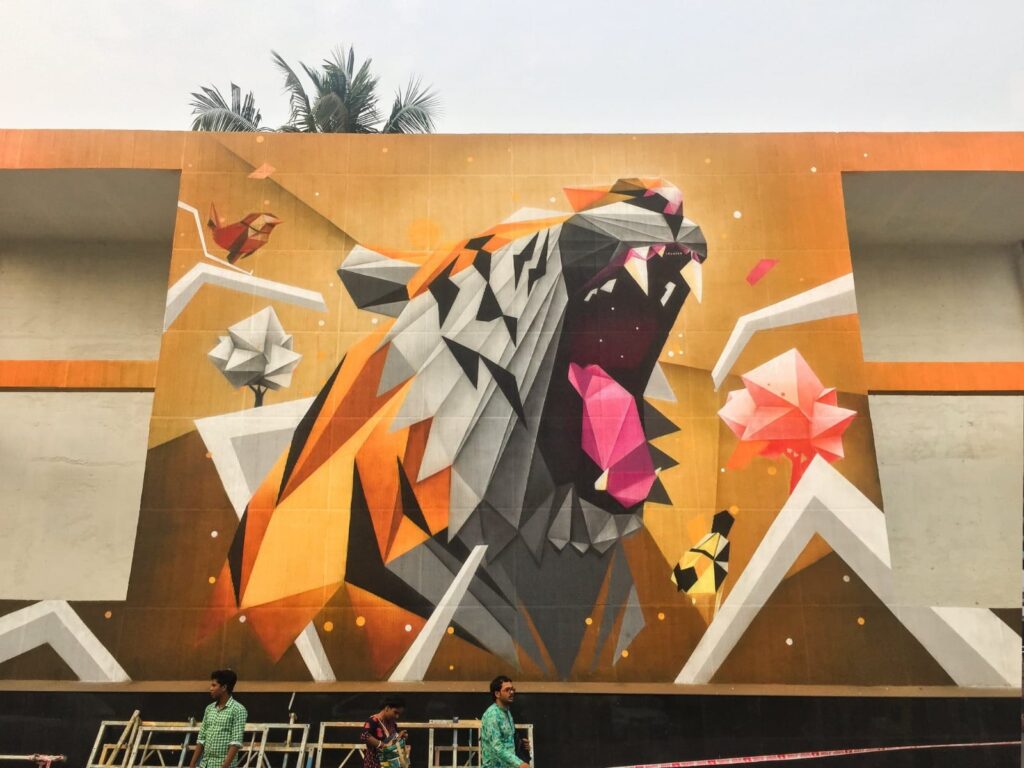
The hiss of the can — it’s the heartbeat of graffiti. Spray paint remains the defining tool of street art, blending portability with power.
Synthetic enamel sprays dominate outdoor work. Oil-based and ultra-glossy, they cling to brick, metal, or concrete with industrial toughness. Brands like Montana Cans, MTN 94, and Krylon have become shorthand for quality and control.
For cleaner, eco-conscious artists, acrylic-based sprays are taking center stage. They dry fast, emit fewer fumes, and are ideal for indoor murals or collaborative projects.
And then there’s the hybrid: nitro-combi paints — a fusion of acrylic and synthetic resins. These deliver intense color and lightning-fast drying times, crucial when painting under the radar or racing daylight.
“Low-pressure for control, high-pressure for chaos — every cap tells its own story.”
With interchangeable nozzles, or “caps,” artists adjust flow like a DJ tweaking beats — from whisper-thin outlines to explosive fills.

Acrylics: Fine Art Meets the Wall
If spray paint defines speed, acrylics define precision.
Favoured by muralists working on commissioned or gallery-scale projects, acrylic paints offer incredible versatility. They’re water-based, blendable, and endlessly layerable.
Artists use brands like Liquitex, Golden, and Molotow One4All to achieve depth, transparency, and texture impossible to get from spray alone. With brushes, rollers, or airbrushes, acrylics bring a painter’s sensitivity to a street artist’s scale.
“Acrylics are where graffiti meets classical painting — one stroke at a time.”
Latex Paint: The Unsung Hero of the Wall
Before the wild colours come the calm coats. Latex paint, also called emulsion, is the graffiti world’s quiet foundation.
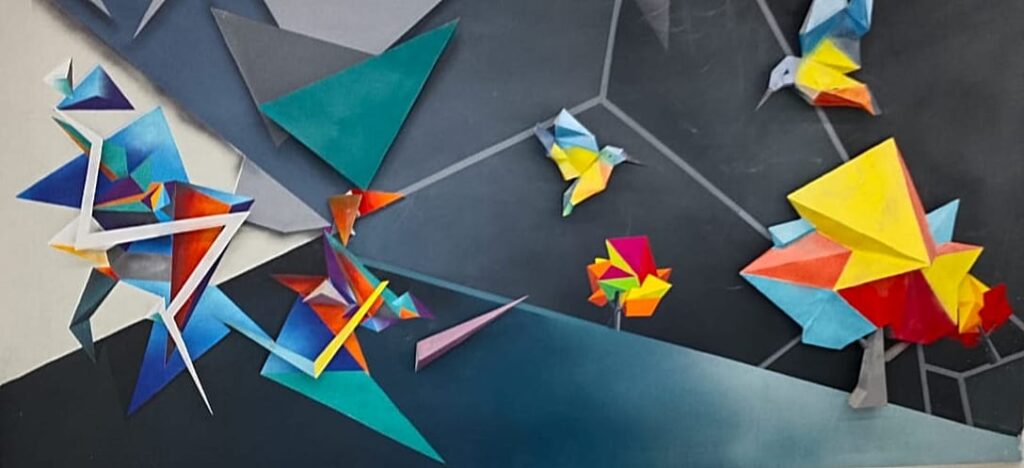
It’s inexpensive, easy to apply, and covers large walls quickly — perfect for backgrounds and block colours. Many muralists roll on latex bases to create smooth, adhesive surfaces before layering their spray designs.
It’s not glamorous, but it’s essential. Latex holds the wall together — literally and visually.
Markers and Inks: The Language of Lines
Every graffiti artist starts with a tag. The marker is where identity begins.
From subway etchings to sketchbook studies, these tools deliver precision and personality.
Acrylic paint markers (like Posca or Molotow) produce opaque, permanent lines that pop on almost any surface. Ink-based markers, such as Krink or On The Run (OTR), ooze raw energy — their drips and streaks turning a signature into performance.
“Ink is attitude. Every drip is intentional.”
These handheld tools connect graffiti’s fast, personal origins with its evolved, technical future.
Coatings and Sealants: Guarding the Graffiti
For a wall that faces the sun, rain, and city grime, longevity depends on protection.
Artists and conservators use a range of clear coats and sealants to preserve the brilliance of outdoor murals.
• UV-protective varnishes keep colors from fading under sunlight.
• Anti-graffiti coatings create a removable layer that allows cleaning without harming the artwork — often used for sanctioned or city-commissioned pieces.
• Fixatives stabilize indoor works on canvas or wood, preventing smudges and dust buildup.
The result? A once-temporary art form that now stands the test of time.
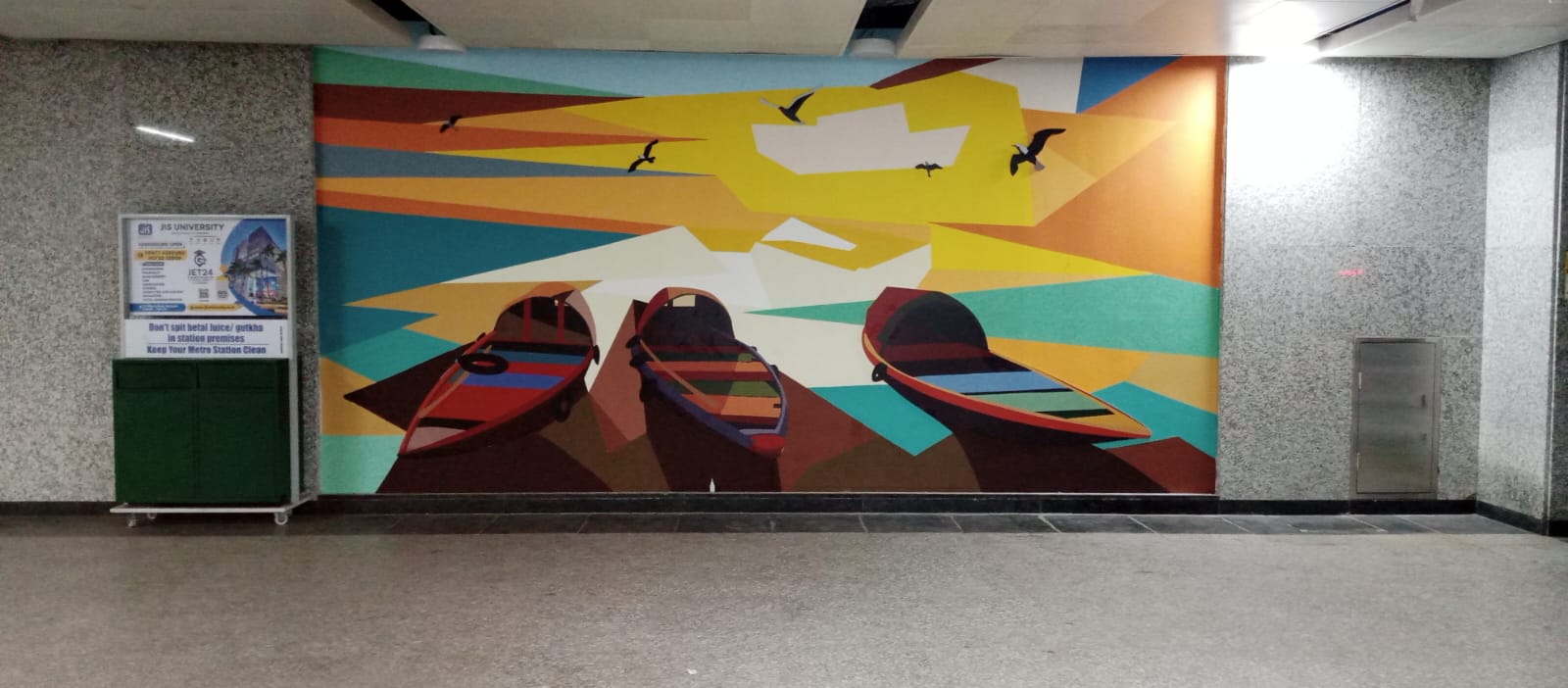
Specialty Paints: Innovation Beyond Colour
Street art has always pushed boundaries — not just in message, but in material.
Artists experiment with phosphorescent paints that glow in the dark, fluorescent pigments that react under UV light, and metallic or chrome finishes that gleam under streetlights.
Some purists even reach back to old-school bitumen or tar-based paints, dense and matte, for a gritty, nostalgic edge.
“Graffiti’s alchemy lies in experimentation — mixing street ingenuity with studio precision.”
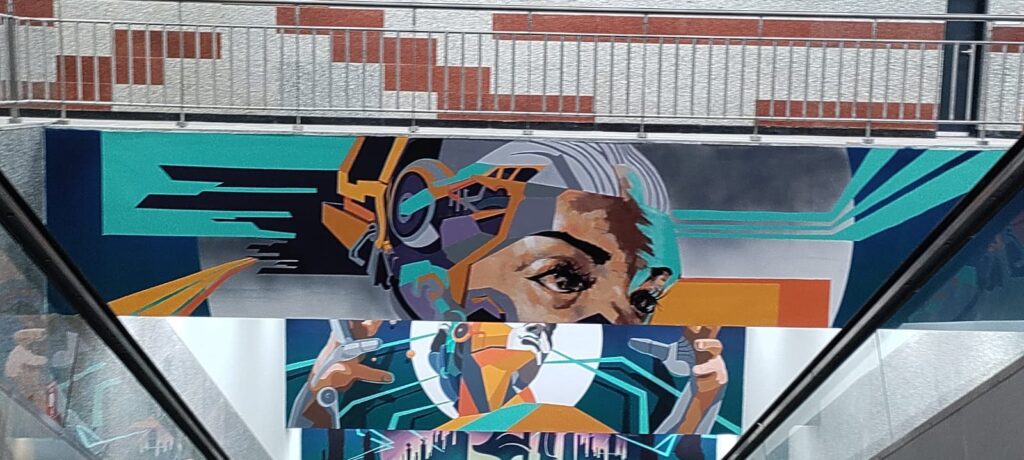
From Wall to World: The Chemistry of Expression
Today’s graffiti scene is an intersection of art, science, and survival. Every pigment, primer, and varnish plays a part in transforming a fleeting mark into a lasting statement.
The evolution of paint technology mirrors graffiti’s own transformation — from outlaw act to cultural archive. And as new materials emerge, so too will new ways to write, to rebel, and to remember.
“The wall is no longer just a boundary — it’s a beginning.”
Read more news on Painting here.
About The Author