From showroom to shop floor: how digital platforms are transforming India’s modular kitchen industry
The Indian modular kitchen industry is entering a new phase of growth—one where software is as critical as craftsmanship. From AI-powered design tools and cloud collaboration to CNC-ready manufacturing and digital twins, integrated technology platforms are redefining how kitchens are conceived, sold, produced, and installed. As consumer expectations rise and customization becomes the norm, manufacturers are embracing digital ecosystems to remain competitive in an increasingly sophisticated market.
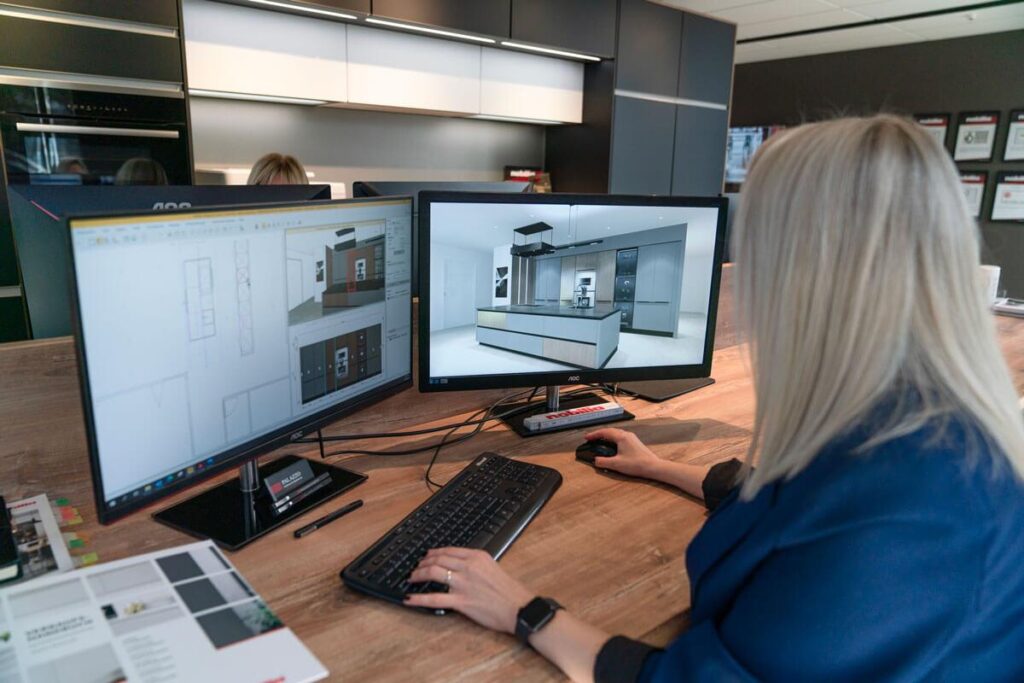
A decade ago, designing a modular kitchen in India was a fragmented process. Designers sketched layouts in AutoCAD or SketchUp, sales teams manually prepared quotations in spreadsheets, production engineers interpreted drawings into factory instructions, and installers often encountered unexpected discrepancies on site.
The workflow depended heavily on individual expertise—and the potential for costly errors was significant.
Today, that landscape is changing rapidly.
Walk into a premium kitchen studio in Bengaluru, Delhi, Mumbai, or Kolkata, and customers are greeted with immersive 3D visualizations, real-time material selections, instant pricing, and virtual walkthroughs. Behind the scenes, those same digital designs flow directly into manufacturing systems, generating bills of materials, CNC machining data, production schedules, and installation documents with minimal manual intervention.
The modular kitchen is no longer just a product—it has become a digitally orchestrated project.
This transformation is being driven by a new generation of software platforms that connect every stakeholder in the value chain, from designers and dealers to manufacturers and installers. As India’s housing market evolves and demand for personalized interiors accelerates, digitalization is becoming central to competitiveness.
The Rise of the Digital Kitchen
India’s modular kitchen market has grown steadily over the past decade, fuelled by urbanization, premium housing, and a growing preference for organized interior solutions. Consumers increasingly seek kitchens tailored to their lifestyles, incorporating ergonomic layouts, integrated appliances, sustainable materials, and smart storage.
Customization, however, brings complexity.
Each kitchen differs in dimensions, finishes, cabinet configurations, hardware, appliances, and installation conditions. Managing this level of variation through disconnected software or manual processes often results in design inconsistencies, inaccurate quotations, production delays, and material wastage.
Digital platforms address these challenges by creating a single source of truth. Instead of recreating information at every stage, the approved design becomes the foundation for sales, engineering, manufacturing, logistics, and installation.
Beyond CAD: The Evolution of Kitchen Software
The first wave of digitization focused on drafting. AutoCAD introduced precision to technical drawings, while SketchUp helped designers communicate concepts through intuitive 3D models.
The latest generation of software extends far beyond visualization. Modern platforms combine:
- Parametric kitchen design
- Configure, Price, Quote (CPQ)
- Product catalog management
- Bill of Materials generation
- CNC programming
- Production planning
- ERP integration
- Dealer management
- Customer relationship management
- Analytics and business intelligence
These capabilities reduce duplication, improve accuracy, and enable manufacturers to scale operations without sacrificing customization.
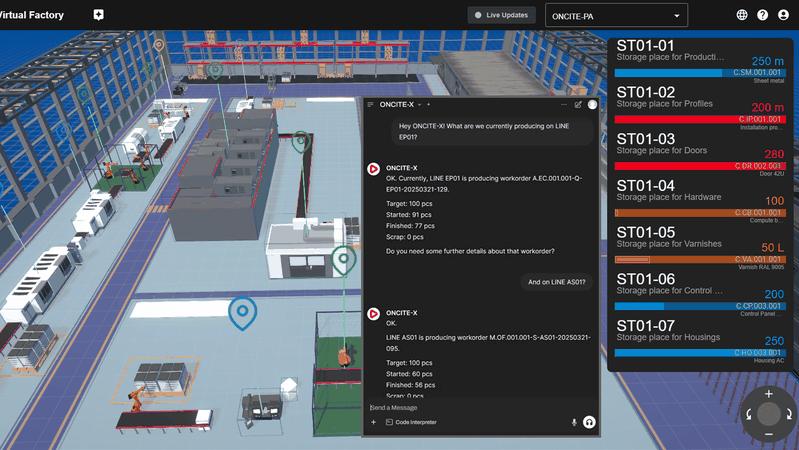
Cyncly: connecting design and manufacturing
Among the companies driving this evolution is Cyncly, a global provider of software solutions for the kitchen, bathroom, furniture, and interior manufacturing industries.
Following the merger of Compusoft and 2020 Technologies, Cyncly has built an integrated ecosystem that combines design software, product configuration, manufacturing automation, and business management. Its portfolio includes well-known solutions such as Winner Flex, Design Flex (formerly 2020 Design), and 3CAD.
For kitchen manufacturers, the value lies in continuity. A designer creates a kitchen using configurable product libraries; once approved, that same model generates quotations, production drawings, bills of materials, and CNC-ready data. The result is a seamless digital workflow that minimizes errors, reduces repetitive tasks, and accelerates project delivery.
For brands operating extensive dealer networks, centralized catalogues and standardized pricing ensure consistency across locations while allowing local customization where needed.
A Broader Software Ecosystem
Hexagon, through Cabinet Vision and Alphacam, focuses on cabinet engineering and production automation, enabling manufacturers to convert designs into CNC machining instructions with high precision.
Microvellum has built a strong reputation among custom cabinet manufacturers for engineering, production management, and manufacturing optimization, particularly where bespoke cabinetry is the norm.
Mozaik Software caters to small and medium-sized cabinet shops with cloud-based tools for design, estimating, nesting, and CNC integration, lowering the barrier to digital adoption.
Meanwhile, SketchUp remains a favourite among Indian interior designers for conceptual visualization, while Autodesk AutoCAD continues to play a significant role in drafting and technical documentation, particularly among firms transitioning towards integrated workflows.
Together, these platforms illustrate how digital transformation is unfolding across different scales of manufacturing—from boutique studios to large industrial operations.
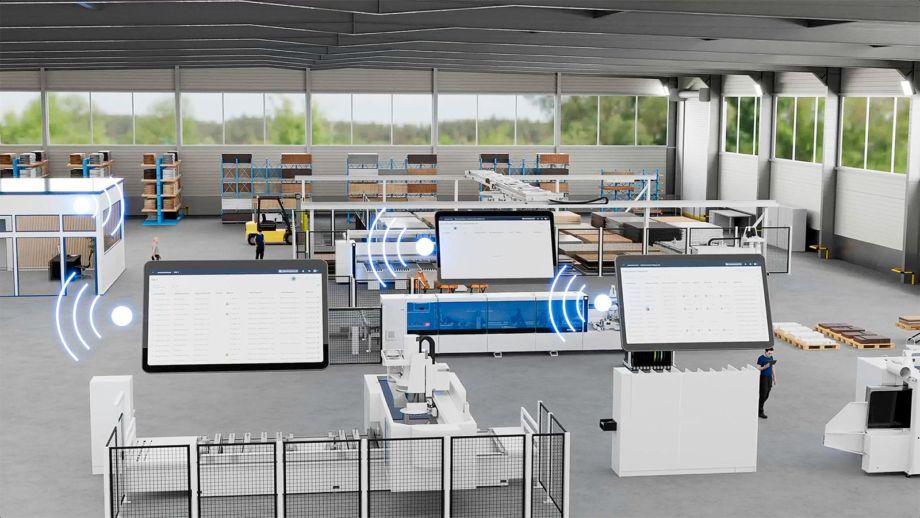
The Factory goes Digital
The impact of software becomes even more evident on the factory floor.
Integrated platforms translate approved kitchen designs into machine-readable instructions, generating cutting lists, drilling patterns, assembly drawings, and optimized nesting layouts for CNC routers. Material usage is calculated automatically, helping manufacturers reduce waste and improve inventory planning.
Production managers gain visibility into scheduling and workflow, while quality teams can track revisions and maintain consistency across projects.
For manufacturers facing rising raw material costs and tighter delivery schedules, these efficiencies are increasingly critical.
Empowering Dealers and Designers
Software is also reshaping customer engagement.
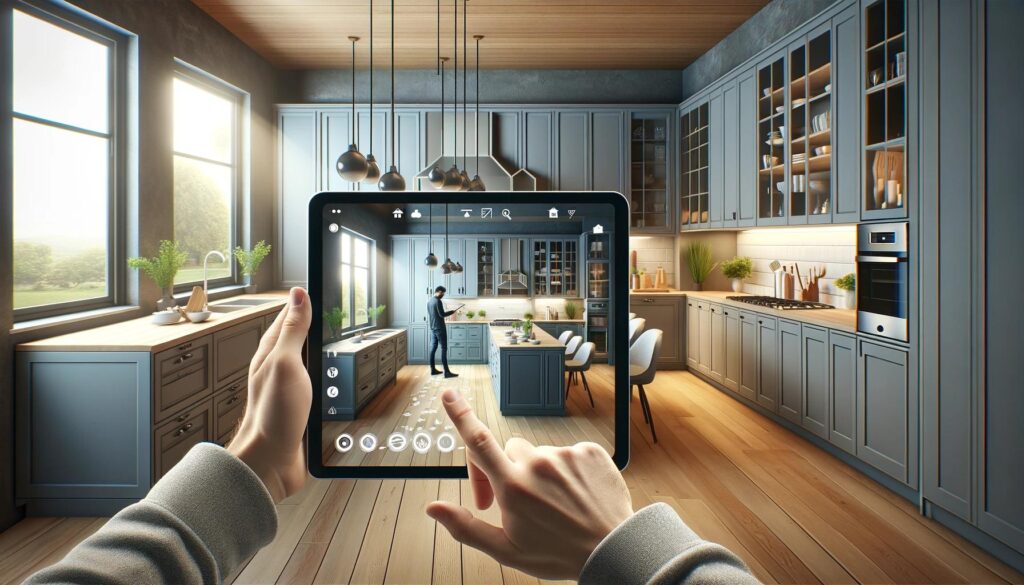
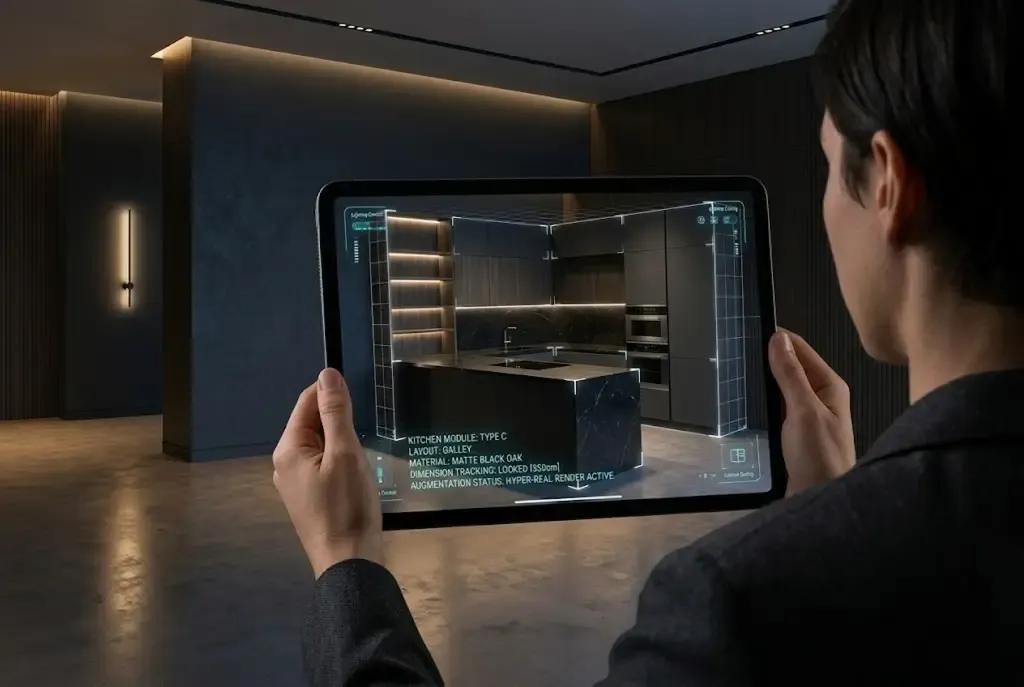
Designers can experiment with layouts, materials, and lighting in real time, helping clients visualize the finished kitchen before production begins. Quotations that once took days can now be generated during the consultation itself, improving responsiveness and shortening the sales cycle.
Dealers benefit from standardized product catalogues, accurate pricing, and centralized order management, reducing administrative effort while strengthening brand consistency.
The result is a more transparent and collaborative buying experience.
The Indian Opportunity
International software companies are increasingly recognizing India’s strategic importance.
The country’s expanding middle class, rising homeownership, premium housing developments, and growing acceptance of modular furniture create fertile ground for digital manufacturing solutions. Organized kitchen brands are investing in automation, while independent manufacturers are adopting cloud-based software to improve efficiency without substantial infrastructure investments.
The government’s emphasis on manufacturing modernization and digital technologies further reinforces this momentum.
Challenges Remain
Despite growing adoption, digital transformation is not without obstacles.
Implementation requires investment—not only in software licences but also in training, data management, and organizational change. Success depends less on purchasing software than on redesigning workflows around digital collaboration.
Way ahead
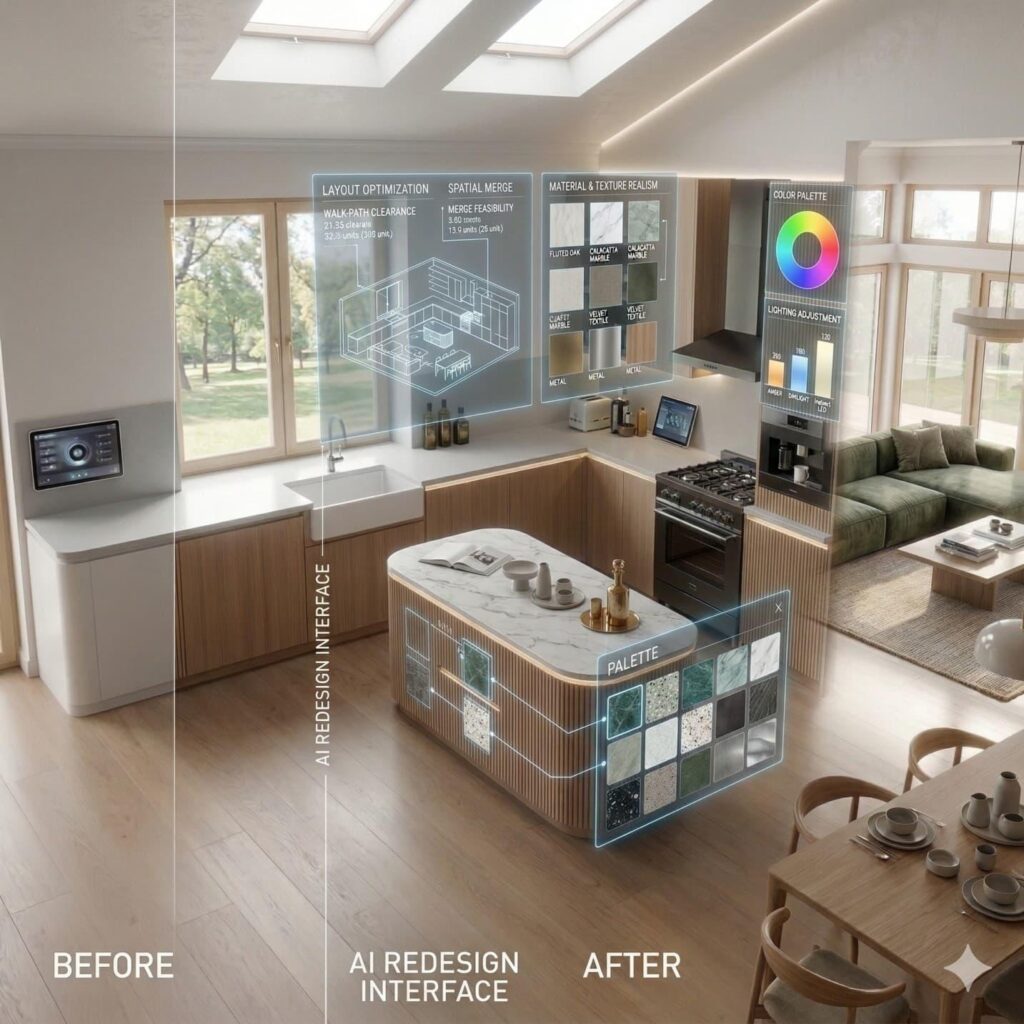
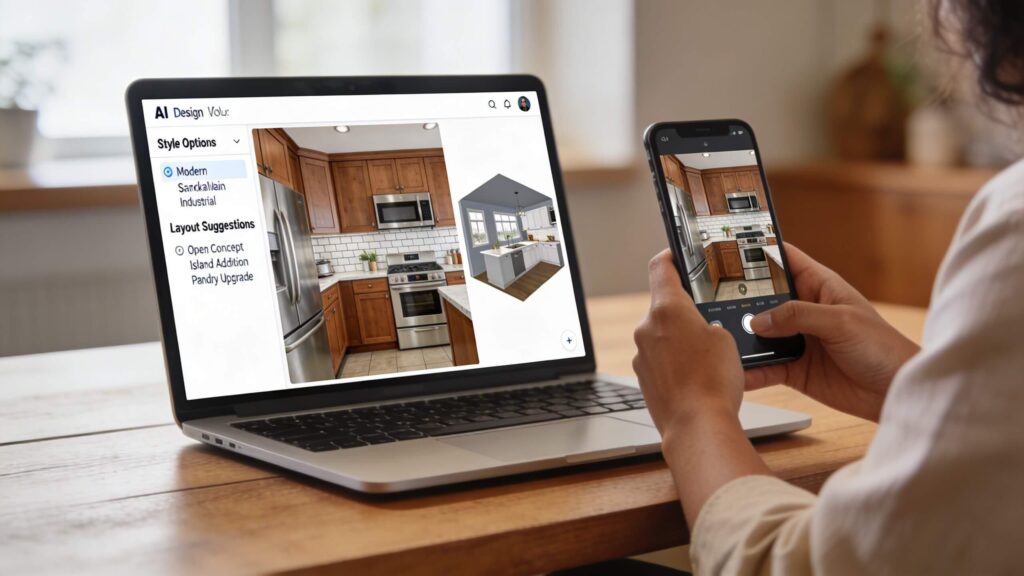
Artificial intelligence is beginning to influence kitchen planning through automated layout suggestions, material recommendations, and predictive pricing. Cloud collaboration allows geographically distributed teams to work on projects simultaneously, while analytics provide manufacturers with insights into sales trends, production performance, and customer preferences.
In the years ahead, digital twins, IoT-enabled manufacturing, and AI-assisted design are expected to deepen this transformation.
For India’s modular kitchen industry, software is no longer a back-office tool—it has become a strategic enabler of growth, innovation, and customer experience.
The next generation of kitchens will be shaped not only by craftsmanship and premium materials but also by intelligent data, connected workflows, and digital ecosystems. The manufacturers that embrace this convergence will be best positioned to meet the demands of a market where speed, precision, and personalization are no longer differentiators—they are expectations.
About The Author