Woodlanders- wood in artist brush design
Wood is widely used in the making of artist brush handles because of its balance of functionality, comfort, and natural appeal. The selection of right wood handle for the respective brush impacts not only on its aesthetics, but also its weight, comfort, balance and responsiveness impacts on the hold of the brush and performance.
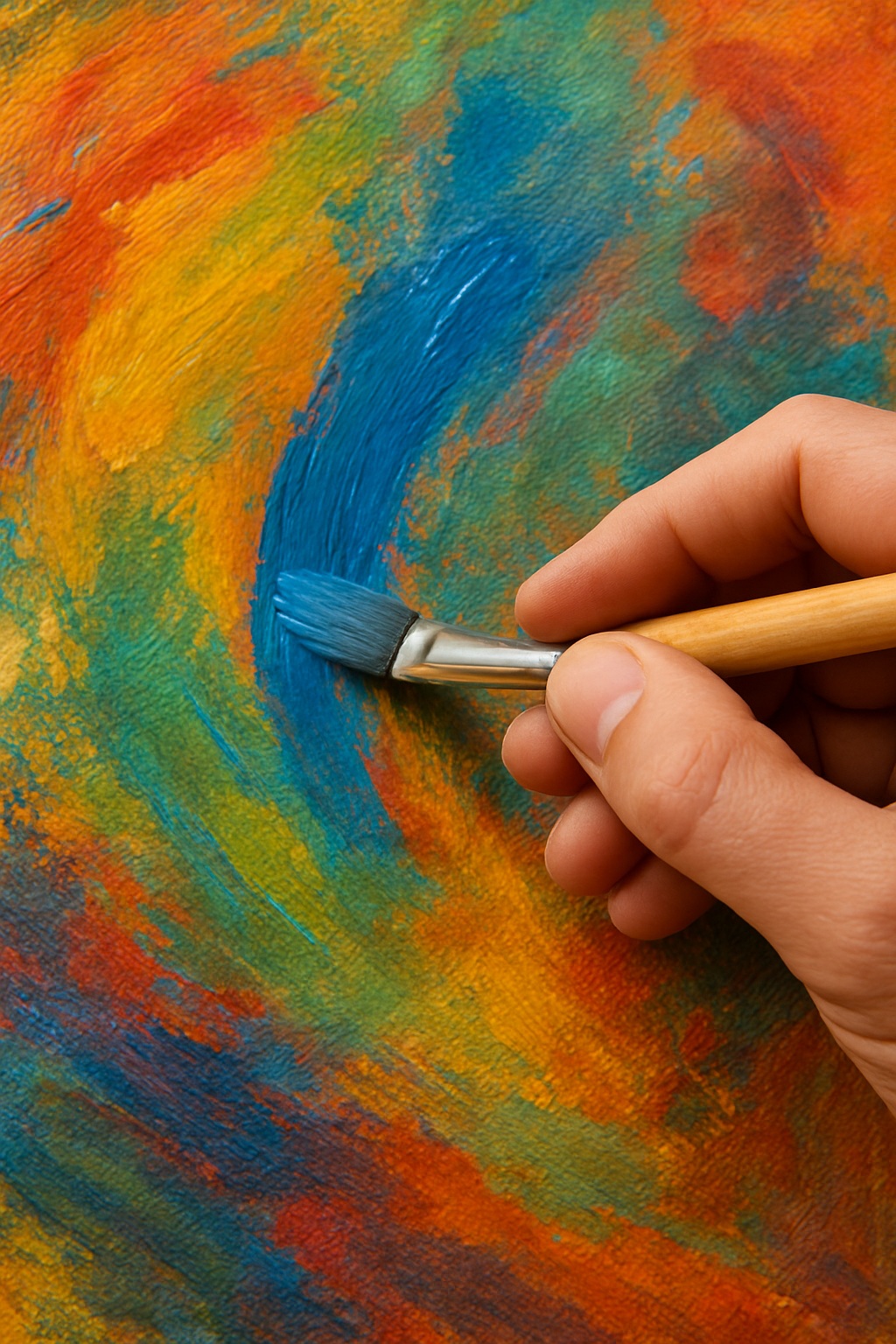
Wood is widely used in the making of artist brush handles because of its balance of functionality, comfort, and natural appeal. Typically crafted from birch, beech, maple, or bamboo, wooden handles provide a lightweight yet sturdy structure that allows artists to work comfortably for extended periods. The natural texture of wood offers a firm, non-slip grip, while its ability to be shaped and balanced makes it suitable for various painting styles—short handles for watercolor work and longer ones for oil or acrylic painting. In addition to being durable, especially when kiln-dried and sealed, wood resists warping and cracking under different environmental conditions. Most wooden handles are coated with varnish, lacquer, or enamel to protect them from moisture and enhance their appearance. The warm aesthetic of polished wood and its eco-friendly, biodegradable nature make it a preferred choice over plastic alternatives. Increasingly, sustainable materials like bamboo and natural finishes such as oils or waxes are also being used, reflecting a shift toward environmentally responsible brush production without compromising quality or comfort.
While an artist’s brush may apparently look simple, it is composed of varied components, such as the bristles, handle and ferrule. The selection of right wood handle for the respective brush impacts not only on its aesthetics, but also its weight, comfort, balance and responsiveness impacts on the hold of the brush and performance.
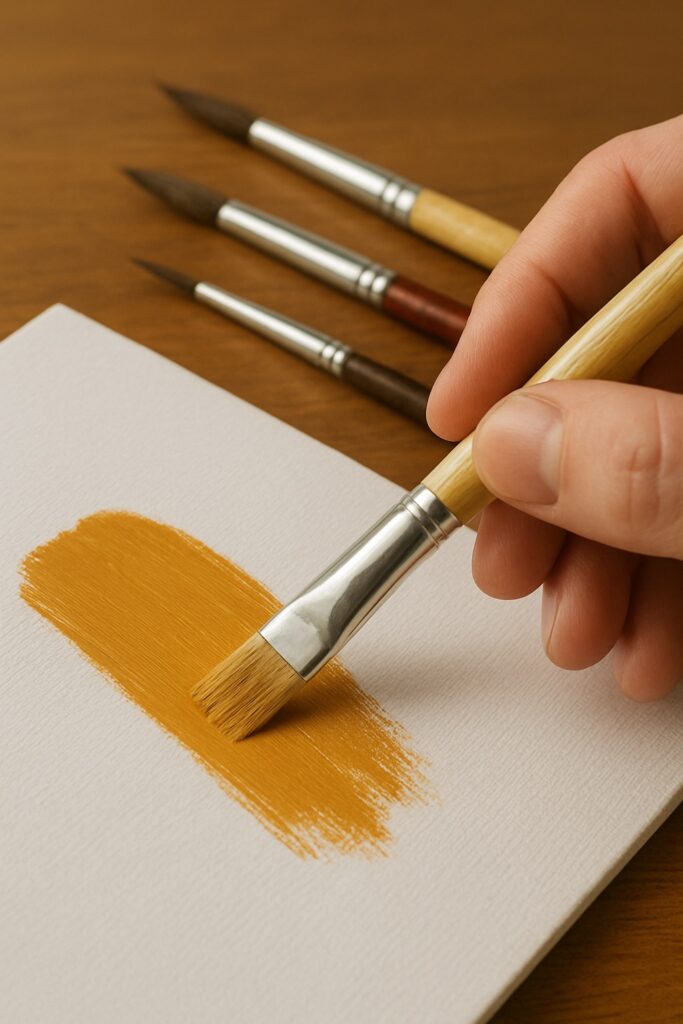
Type of woods used in brush handles:
There are several special woods used for manufacturing the handle of the brush. Characteristics such as ways in which the brush feels in the hand and how precisely an artist can control it.
- Birch wood- medium light in colour, the specific wood species is smooth, even texture and are good at application of paint and varnish. Brush crafted in birch wood are generally used by art students and professionals.
- Beech wood- dense and heavy timber with strong, durable and resists warping. Generally used for manufacturing professional-grade brushes and large format tools.
- Maple wood- another hard and stable wood species that has smooth surface and resists moisture with excellent balance. Premium quality brushes are made for precision work.
- Bamboo is a very light species. One of the key characteristics of the species is it is naturally waterproof, flexible and organic. Used tin tradition Chinese, Japanese as well as calligraphy brushes.
- Poplar- lightweight wood that is affordable and easy to work with, especially used for shorter handles. Used for craft work and manufacturing watercolour brushes.
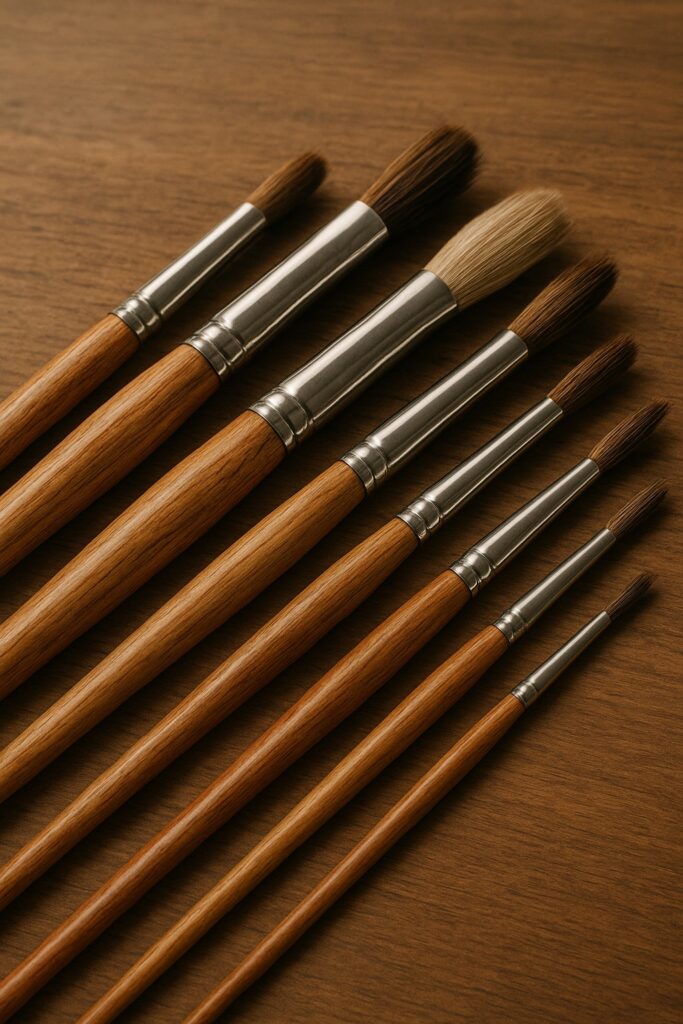
Advantages and disadvantages of using wood in artist brush manufacturing:
Advantages of using wood in painting brush:
Natural Balance and Comfort: Wooden handles offer excellent weight balance and a comfortable grip, reducing fatigue during long painting sessions.
Aesthetic Appeal: The natural texture and grain of wood provide a classic, elegant appearance that enhances the overall craftsmanship of the brush.
Durability: When properly treated and varnished, wood resists cracking and warping, ensuring long-lasting performance.
Customizable and Versatile: Wood can easily be shaped, sanded, and finished to create handles of different lengths, thicknesses, and ergonomic designs.
Eco-friendly Material: Sustainably sourced wood is renewable and biodegradable, making it a more environmentally responsible choice compared to plastic.
Good Thermal Feel: Wood doesn’t feel too hot or cold in the hand, maintaining comfort in various working conditions.
Disadvantages of using wood in painting brush:
Water Absorption: If not properly sealed, wood can absorb moisture, leading to swelling, cracking, or paint chipping over time.
Maintenance Required: Wooden handles may need re-varnishing or care to prevent damage, especially when exposed to solvents or frequent washing.
Weight Variation: Some hardwoods may be heavier than synthetic materials, which can cause hand strain for detailed work.
Cost: High-quality wooden brushes, especially those using hardwoods or handcrafted finishes, tend to be more expensive.
Environmental Concerns (if unsustainably sourced): non-sustainable wood harvesting contributes to deforestation and environmental degradation.
The use of wood in artist brushes reflects a perfect blend of practicality, craftsmanship, and environmental consciousness. Its natural strength, tactile comfort, and timeless beauty make it an ideal material for tools that bridge creativity and tradition. As sustainability becomes increasingly important, wooden brush handles continue to stand out as both artistically and ecologically responsible choices for painters worldwide.
About The Author