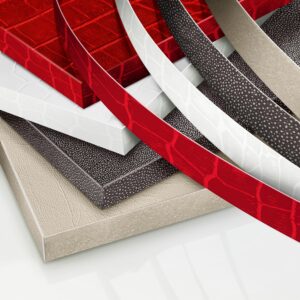
Woodlanders: Exploring Asian woods
Wood has been one of the most important materials in the creation of musical instruments throughout human history. Its unique acoustic properties—resonance, warmth, and tonal richness—make it ideal for producing and amplifying sound. Here’s a breakdown of how wood is used in musical instruments.
East Indian Rosewood
The Era of Musical Explosion: The Rise of Rosewood in the 1960s
The musical revolution of the 1960s would never have come alive without the resonant hum of electric guitars—those iconic instruments that defined a generation. At the heart of this sound was not just the strings or the amplifiers, but the very wood that carried the music: rosewood.
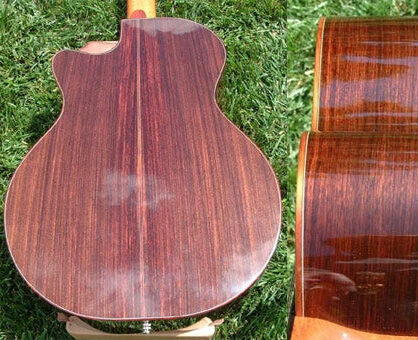
During this golden era, Brazilian rosewood and East Indian rosewood became the materials of choice for luthiers and craftsmen worldwide. Their discovery marked a turning point in the world of music, as instrument makers realized that Indian rosewood offered a remarkably broad frequency response—supporting deep, rich bass, clear trebles, and a well-defined midrange. This tonal balance made it ideal for crafting high-end guitars capable of delivering both warmth and clarity.
As the success of legendary bands such as The Beatles, The Rolling Stones, and Cream (often stylized as “Creme”) soared, so did the demand for finely tuned guitars. The booming music industry of the sixties sparked an unprecedented need for quality tonewoods. With the scarcity of Brazilian rosewood, craftsmen turned increasingly toward East Indian rosewood (Dalbergia latifolia), native to India, Sri Lanka, and Indonesia. They soon discovered that it not only rivaled but, in many cases, complemented Brazilian rosewood—offering excellent tonal properties, durability, and a distinctive aesthetic appeal.
Key Characteristics of East Indian Rosewood
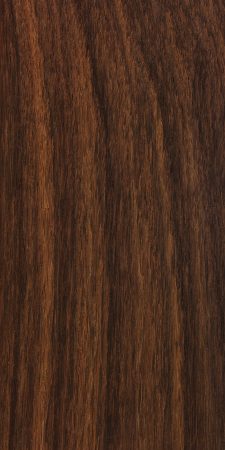
- Color and Appearance: Varies from rich golden brown to deep purplish black, often with darker streaks.
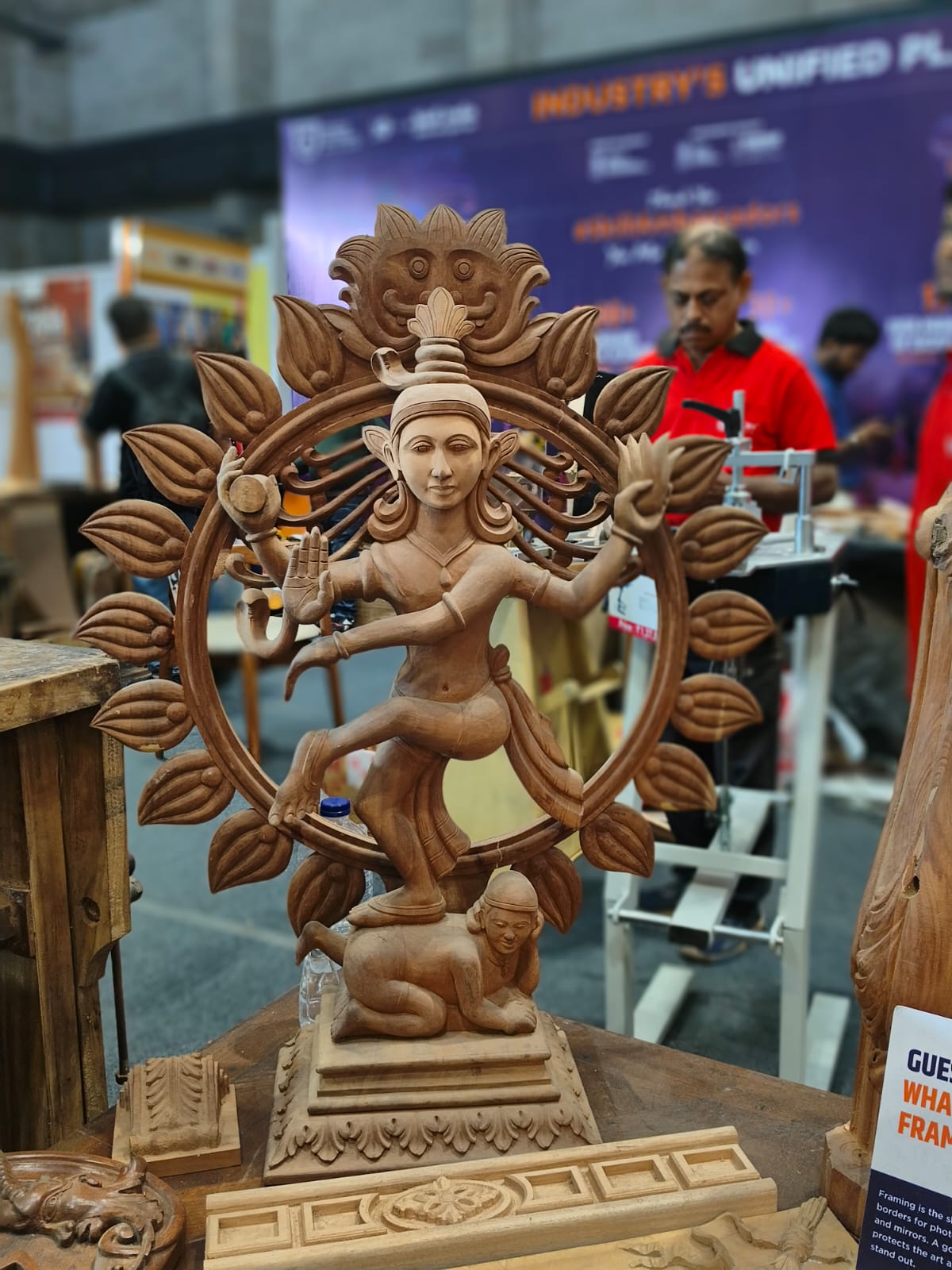
- General Uses: Favored for making fine furniture, high-end musical instruments (especially guitars), cabinetry, wood carving, and framing.
- Material Qualities: A hard, dense, and durable wood that, when properly seasoned, resists rot and insect damage—ensuring longevity and tonal stability in instruments.
East Indian rosewood thus became a cornerstone of the sixties’ musical craftsmanship—a wood that not only shaped the body of the guitar but helped define the very soul of the era’s sound.
East Indian kauri
The Warm Resonance of East Indian Kauri
The musical explosion of the 1960s reshaped the global soundscape — a decade when rock, blues, and folk converged to create some of the most memorable music in history. Behind the electrifying performances and soulful harmonies was not just talent, but also craftsmanship — the mastery of wood that brought sound to life.
While rosewood and mahogany often take the spotlight in guitar lore, another remarkable wood quietly contributed to this golden age of music: East Indian Kauri (Agathis dammara), also known as Amboyna Pine or Almaciga. Revered by craftsmen for its fine texture, warm tone, and versatile working properties, kauri became an alternative for creating resonant soundboards and guitar bodies during an era that demanded both quality and innovation.
Traditional tonewoods like Brazilian rosewood were becoming scarce, prompting luthiers to experiment with new materials. East Indian Kauri emerged as a reliable, beautifully grained alternative — known for its balanced tonal quality, producing smooth midrange tones, clear highs, and a gentle, rounded bass. Its consistent texture and ease of finishing made it ideal not only for musical instruments but also for fine furniture, cabinetry, and interior woodwork.
Key Characteristics of East Indian Kauri (Agathis dammara)
- Common Names: East Indian Kauri, Amboyna Pine, Almaciga
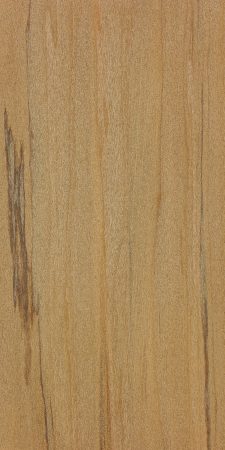
- Color and Appearance: Typically, pale golden brown to light yellow, often deepening with age to a rich honey hue. The grain is generally straight with a smooth, even texture and a natural satin luster.
- General Uses: Used for crafting musical instruments (guitar soundboards and bodies), fine furniture, veneers, boatbuilding, kitchen utensils, joinery, and sculptural carvings.
- Material Qualities: A medium-density, durable wood that is resistant to decay, easy to work with, and stable once seasoned. Its tonal warmth and even response make it a favorite for instruments requiring clarity and subtle resonance.
In an age defined by experimentation and sonic discovery, East Indian Kauri stood as a quiet companion to the legends of music — a wood that translated the passion of the sixties into lasting sound. East Indian kauri is a timber tree that has been exploited in the past—both for its wood, and also for its resin, called copal.
About The Author