Women in Forestry – breaking barriers
Women are increasingly playing vital roles in forestry, from traditional roles in collecting forest products to modern positions as foresters, ecologists, and scientists, with their participation improving forest conditions and conservation outcomes.
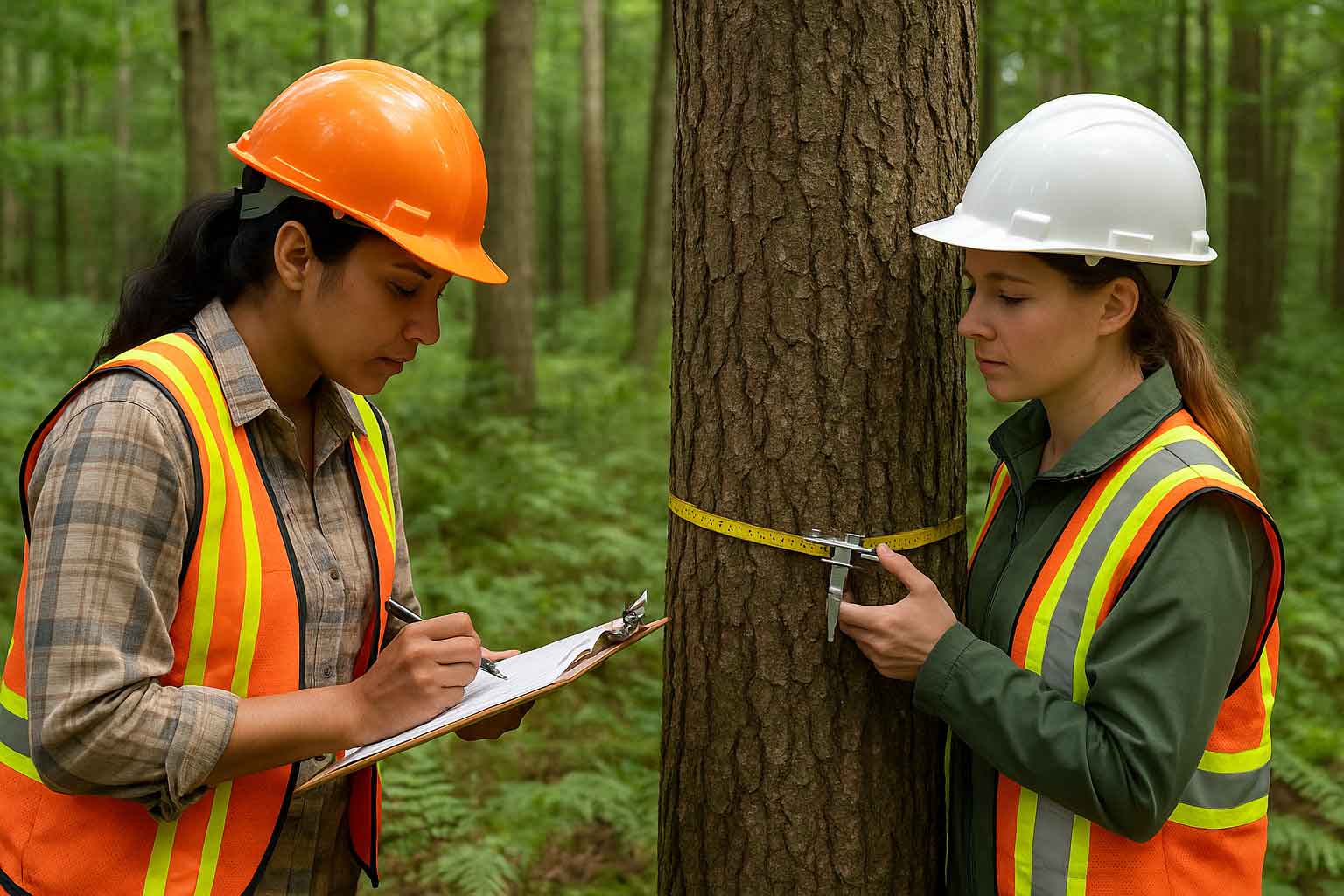
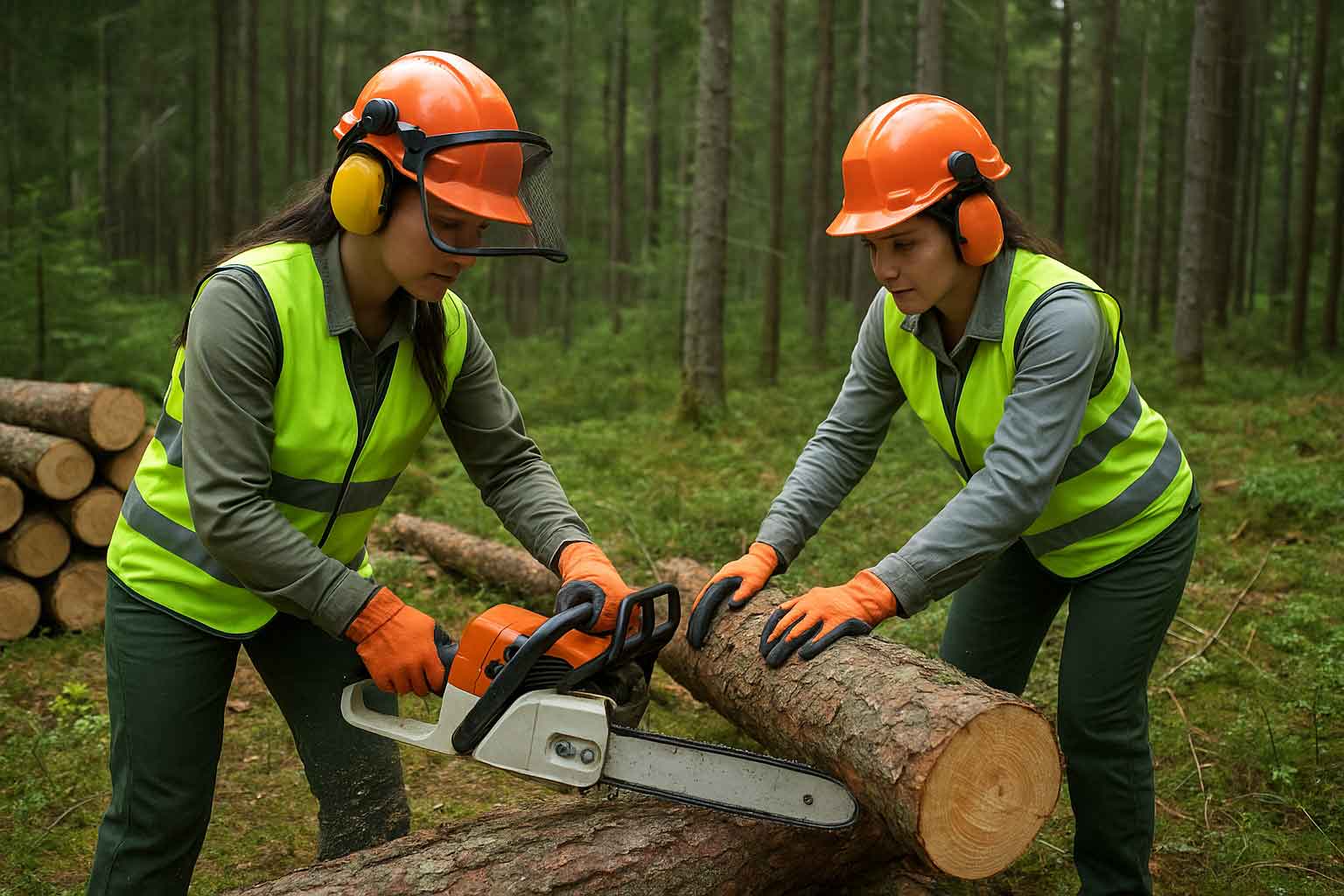
Although less represented, women have played a significant role in the forestry sector. It all initiated with the trailblazing work of the Lumberjills during the World War II, present day women forestry enthusiasts have a major role to play across the forests around the globe. Back in the times of World War II, a sudden lack of men forestry workers created a need for women support in the timber segment in England. The need for constant workers in woods encourage them to join the Women’s Timber Corp, a part of the Women’s Land Army. Soon these women workers took part on various physically demanding jobs in the forestry sector. They engaged in jobs such as felling and loading trees to driving tractors and operating sawmills.
Women are increasingly playing vital roles in forestry, from traditional roles in collecting forest products to modern positions as foresters, ecologists, and scientists, with their participation improving forest conditions and conservation outcomes. Despite historic male domination, increased female involvement enhances sustainability, brings diverse perspectives, and addresses inequities in resource access and decision-making, though challenges remain regarding recognition, equal rights, and supporting female leadership.
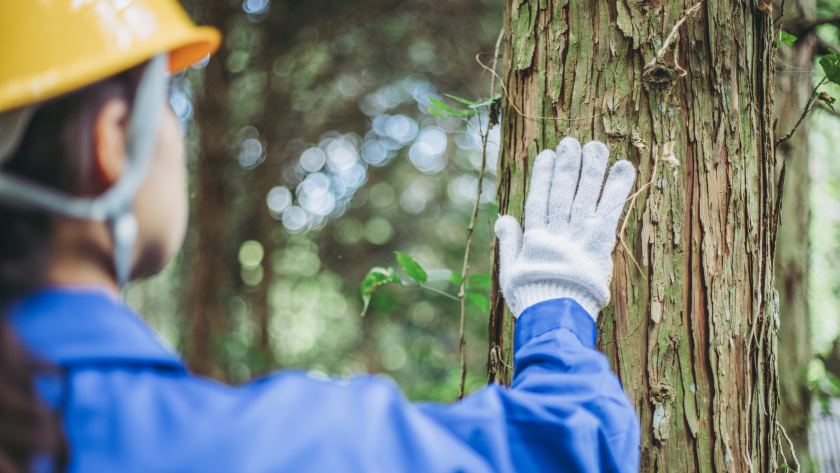
Historically how women became LumberJills, it came to light that during the War times the demand for millions of tonnes of timber triggered. Timber was needed in railways, aircraft production, mining, and charcoal gas mask fillers. Since men were out engaged in armed forces in the Second World War in September 1939, women were left to help in the woods and thus the Women’s Timber Corps was formed in 1942 to offer support in the forest floor. Identified as Lumberjills, the team of young passionate women of the Women’s Timber Corps left home to pick up axes and saws, and challenged the tough environmental conditions with skill, passion and determination. These team of women rose to the challenge of the hard, physical labour of forestry, carrying out felling, planting, loading, vehicle driving, and sawmill operation among many other tasks. With sheer strength and stamina they confidently worked in unfavourable physical conditions, and broke stereotype by undertaking what was traditionally called as a ‘man’s job’.
Crushing the idea of discrimination in forestry and timber jobs, women across the globe are engaged in various roles in forestry today. From England, Canada to India women are gaining popularity in the forestry segment. With the increase in tree planting, demand for diverse and skilled forestry workforce is also gaining importance.
Key role of women in forestry:
- Resource Managers: Women oversee household fuel, fodder, and water needs, often determining sustainable harvesting methods.
- Forest-Based Entrepreneurs: Many women engage in small-scale industries, producing bamboo products, leaf plates, resins, and handicrafts.
- Environmental Stewards: Women’s movements, such as India’s Chipko Movement in the 1970s, demonstrate their leadership in forest protection and conservation.
- Researchers and Policymakers: The number of women professionals in forestry research, education, and governance has grown, enhancing inclusive forest management.
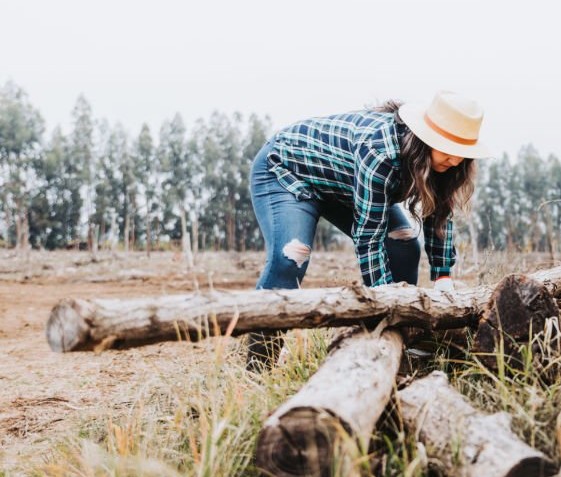
Women’s involvement in forestry is vital for environmental sustainability, social equity, and community resilience. Empowering women through secure land rights, education, and policy inclusion ensures more effective forest management. The integration of gender perspectives in forestry is not only a matter of justice but also a practical necessity for achieving sustainable development.
Source: Forestry England
About The Author